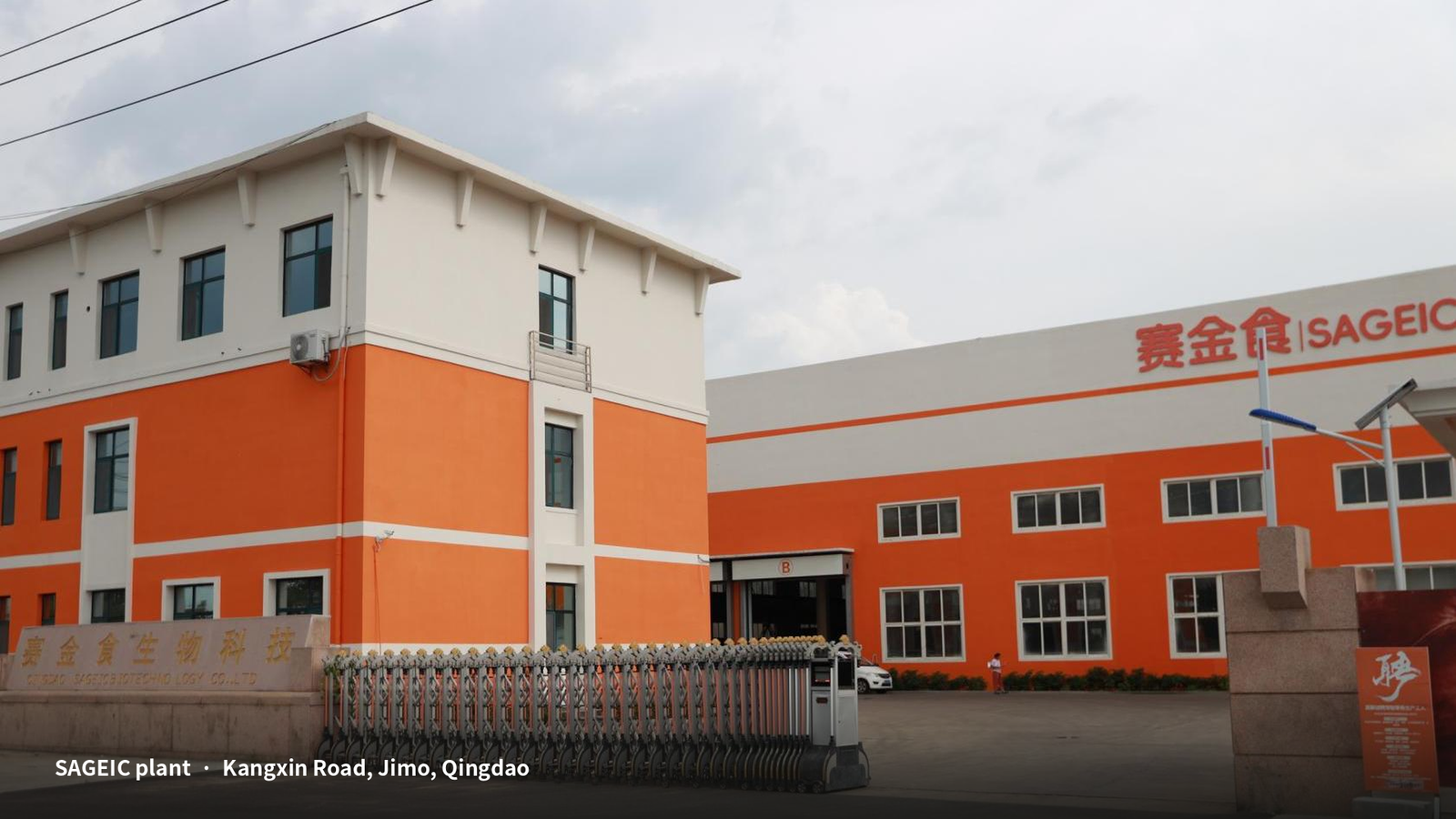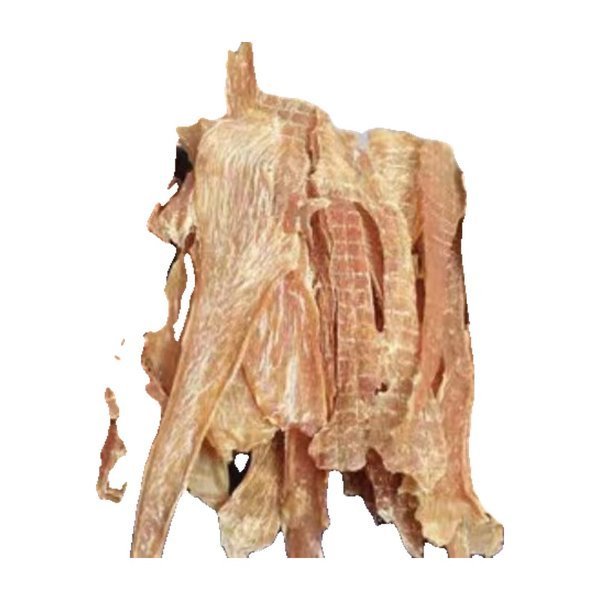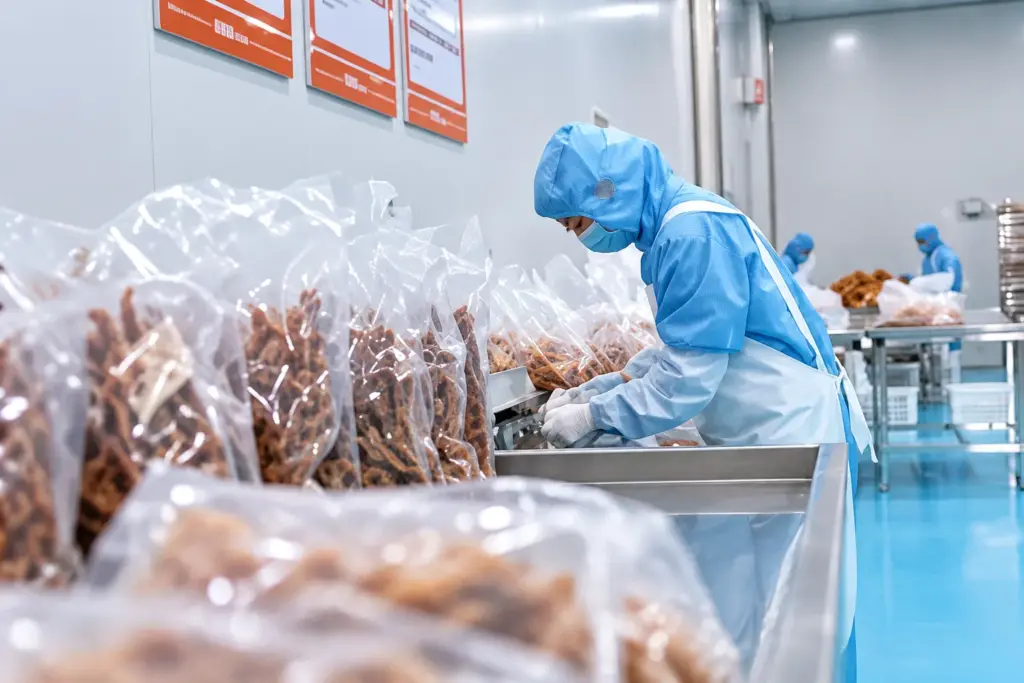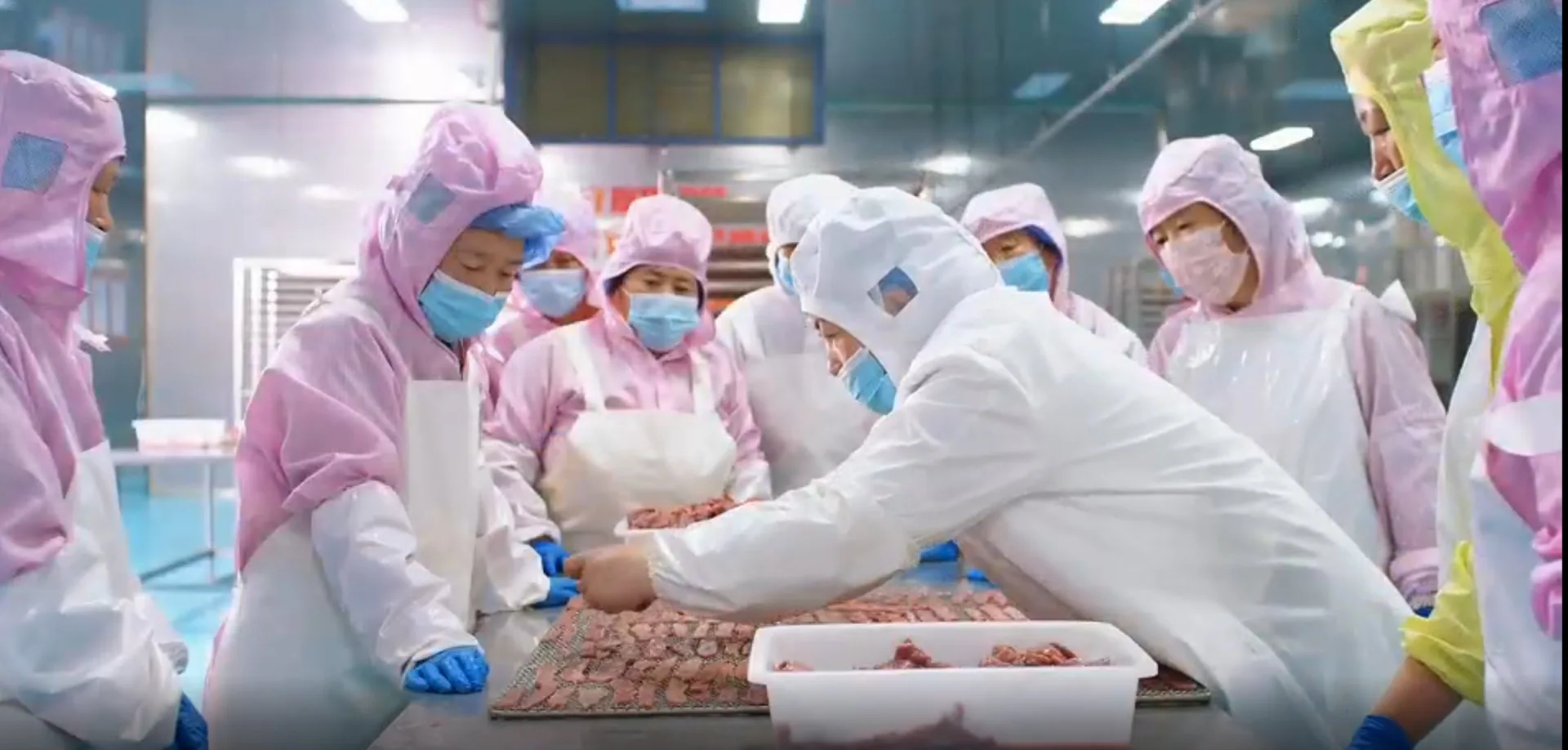
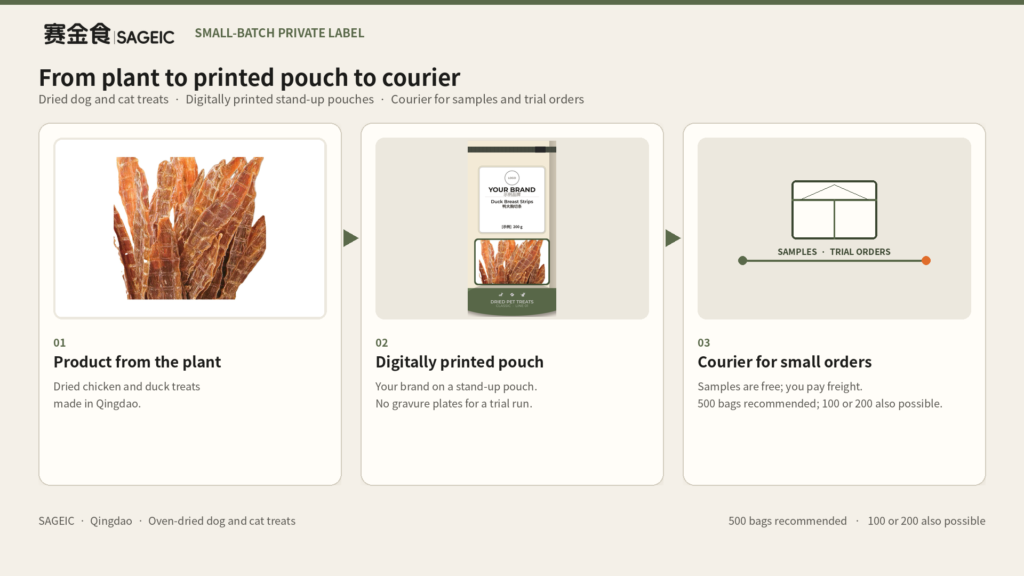
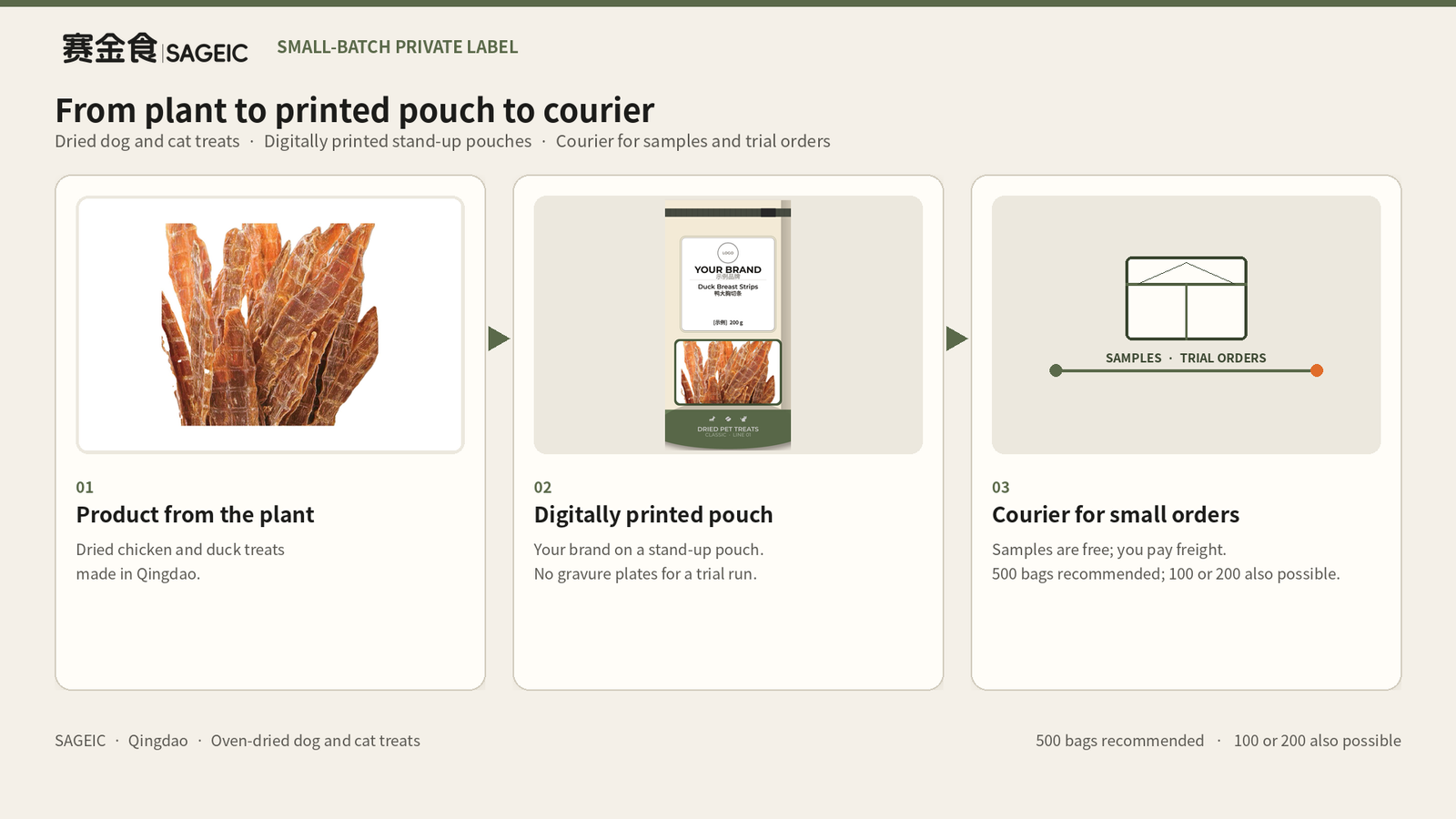
Small-batch private label pet treats let a brand test a product and its retail packaging before committing to a larger print run. SAGEIC combines oven-dried dog and cat treats from Qingdao with digitally printed pouches and courier delivery for eligible samples and trial orders. Our recommended starting point for digital printing is 500 bags per design; runs of 100 or 200 bags are also possible, with higher packaging cost per bag.
The practical question is how to match the trial quantity, pack weight and destination to your launch budget. This guide explains what to approve before printing, how to compare quantities, and when it makes sense to move to a larger order.
What is included in a small-batch private label project?
The project brings three decisions together: the treat, your branded pouch, and a suitable shipment. Choose a product from the current catalogue, agree the filled-pack specification, then confirm whether courier delivery is available for that product and destination. Digital printing avoids gravure cylinders, which makes it useful while artwork or demand is still being tested.
SAGEIC does not set a minimum order quantity for the product itself. Printed packaging has its own quantities, costs and production conditions. The 500-bag recommendation below concerns a digital print project; it is not a product MOQ. Confirm the selected film, format and artwork in the quotation.
100, 200 or 500 bags: which trial quantity fits?
Start with a clear question for the trial: are you checking a filled pack, testing one sales channel, or comparing customer response to a new product? Keeping the first project to one product and one design makes the results easier to interpret.
| Quantity per design | Possible use | What to weigh up |
|---|---|---|
| 100 bags | A tightly focused first test | Lower total stock commitment, but higher packaging cost per bag. |
| 200 bags | A broader trial with the same product and artwork | More packs for evaluation; compare the full quotation with 100 and 500 bags. |
| 500 bags | SAGEIC’s recommended starting point for digital printing | More inventory to sell, so confirm demand, pack weight and destination before ordering. |
Planning example: at an illustrative net weight of 100 g, 100 bags contain 10 kg of treats, 200 bags contain 20 kg, and 500 bags contain 50 kg. These are net product weights, not courier chargeable weights. Pouches and cartons add weight and volume. The example is for planning only; the suitable pack weight depends on the selected treat.
Do not assume that several designs can share one print quantity. Ask how different SKUs, languages, pack weights and artwork versions are counted before splitting a trial across them.
Choose the treat before finalising the pouch
Chicken and duck recipes are useful starting points for a first enquiry. SAGEIC’s dried-treat catalogue includes natural and formulated series, with different ingredients and product formats. Choose the intended pet, recipe and piece size first, then test how the product sits inside the proposed pouch.
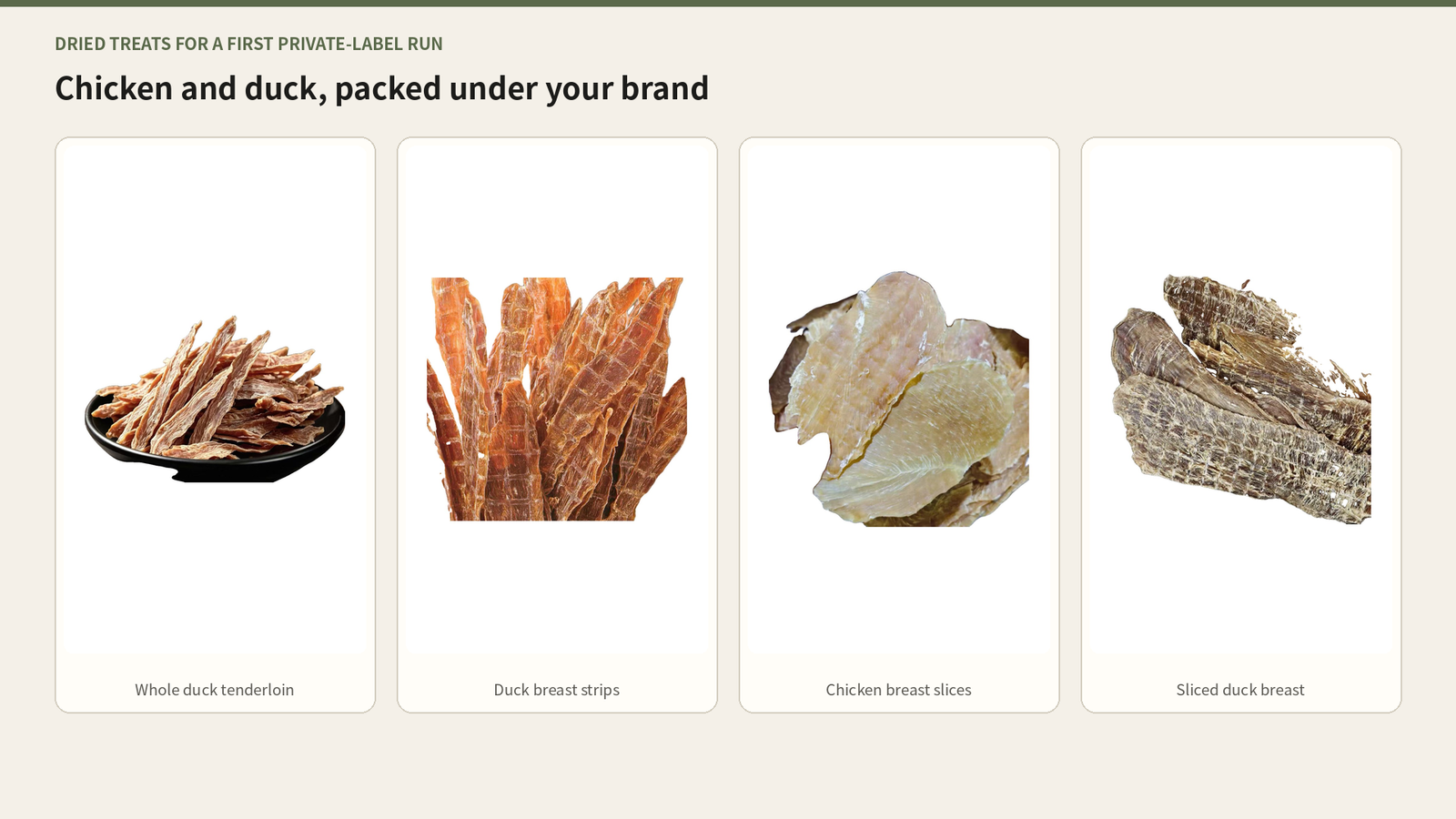
A long strip and a thin slice can need different pouch dimensions even at the same net weight. Check sealing clearance, protection during transit and how easily a customer can remove the treats. Approve the ingredient statement and specification for the actual SKU. A series name alone does not establish a single-ingredient claim; our single-ingredient treat guide explains that distinction.
Approve the digital pouch in three steps
1. Agree the filled-pack specification
A stand-up pouch using PET/PE is one possible format, with gloss or partial-matte finishes discussed for the project. It is an example, not a universal specification. Confirm dimensions, film structure, zipper or window requirements, net weight and sealing method against the chosen treat. Other formats, such as a quad-seal bag, need a separate packaging quotation.
2. Check artwork and product information
Supply the logo, artwork, required language and barcode if available. Check the product name, ingredients, net quantity, analysis, storage instructions and lot/date marking space against the approved specification and destination requirements. The importer or brand owner should approve market-specific label copy before printing.
3. Approve the proof and packed sample
Review the print proof and a filled sample together. Check text readability, colour, window position, seal area and the space left for coding. Digital printing makes artwork changes possible without new gravure cylinders, but an approved version is still essential: a change after printing can leave unused bags.
For a comparison with labelled plain pouches, SAGEIC generic pouches and gravure printing, see our private label pet treat packaging guide.
How courier delivery affects a small order
Product samples are free of charge; the customer pays courier freight. Courier can also be considered for small commercial orders where the product and destination are eligible. Confirm shipment feasibility before paying for a printed run, especially for treats containing animal-origin ingredients.
Freight is based on the carrier’s chargeable weight, generally the higher of actual gross weight and volumetric weight. A lightweight but bulky carton can therefore cost more than its scale weight suggests. Ask for the carton count, dimensions, gross weight and quoted chargeable weight. The carrier’s calculation and any surcharges should be clear in the offer.
A courier booking does not establish permission to import. Samples and commercial orders can have different requirements. Confirm applicable permits, product or plant eligibility, certificates and clearance arrangements with the relevant parties for the selected destination. We review what we can support before arranging a commercial shipment; this service is not a promise of delivery to every country.
Ask for a quotation you can compare
A small order should be assessed on the total cost of getting usable packs to your business. Product prices are quoted per kilogram, packaging separately per bag, and international freight separately for the destination and packed shipment. Ask the quotation to identify any additional charges and exclusions.
- Product: exact SKU, net quantity, price currency and price per kilogram.
- Packaging: bag count per design, unit price, proof or setup charges if applicable, and any unused-bag arrangements.
- Packing and other services: what filling, labels, cartons, testing or documents are included, and what is separately charged.
- Delivery: destination, service, chargeable weight and stated freight inclusions or exclusions.
- Import costs: who arranges clearance and pays any duties, taxes or destination charges.
Compare 100, 200 and 500 bags using the same SKU, net weight, pouch and destination. A lower product price per kilogram does not necessarily give the lowest total trial cost. Agree production and delivery timing for the actual project rather than assuming a standard schedule.
What to measure before you reorder
Decide what a successful trial would show before the stock arrives. Record customer feedback on the treat, sell-through by channel, pouch usability, damage or breakage, and the delivered cost per saleable bag. Keep the approved product sample, artwork version and written specification so a repeat order has a clear reference.
If demand becomes predictable and the design is stable, request a comparison between a larger digital run and gravure printing, including cylinder costs, bag quantity and unused stock. Compare shipping options as well. Sea freight may become suitable as volume grows; a full container is not a universal prerequisite for a private-label project. Our pet treat specification checklist helps keep repeat orders consistent.
Frequently asked questions
Is 500 bags the minimum order?
No. It is our recommended starting point for a digitally printed design. Runs of 100 or 200 bags are also possible, with higher packaging cost per bag. The product itself has no MOQ; packaging conditions are confirmed for the chosen format and artwork.
Are product samples and freight both free?
The sample product is free. Courier freight is paid by the customer. Confirm the selected samples and destination before dispatch; a trial commercial order is quoted separately.
Can I start with a plain pouch and label?
Yes, this is another packaging route to discuss. A digitally printed pouch is useful when you want the trial to carry your artwork directly on the bag. A plain labelled pouch or available SAGEIC generic pouch may suit a different starting plan.
Does BRCGS certification cover every treat?
The Qingdao plant’s BRCGS Food Safety certification has a defined scope: thawing, slicing, drying, selecting and packing duck breast in PE/PET bags. It should not be read as blanket certification of the full product range. Ask for the current certificate and review its scope against the product you select.
What should I send to start a project?
Send the destination country and postcode, intended pet, product SKU or preferred recipe, quantity per design, net weight per pouch, preferred pouch format and artwork status. Include your planned sales channel and target launch date so we can identify the next approvals and prepare an itemised quotation.
Plan your first small-batch order with SAGEIC
Qingdao SAGEIC Biotechnology Co., Ltd. manufactures oven-dried dog and cat treats for wholesale, OEM and private-label buyers. Tell us what you want to test and where you plan to sell it. We will review the product, packaging and shipment together.
Email sales@sageicpet.com or contact us on WhatsApp at +86 17669606473 with your trial-order brief.