A pet treat certificate of analysis (COA) is useful when you can connect its results to the product and production lot you are buying. Before accepting it, check the batch identity, the sample tested, the methods and reporting units, and the limits used to judge the results. A page marked “Pass” cannot answer those questions on its own.
For a brand buying dried chicken treats, duck treats or wrapped chews, the practical question is: does this document provide the evidence agreed for this order? This guide shows how to review a COA, spot gaps that need clarification, and turn the review into a documented purchasing decision.
What is a pet treat COA—and what does it establish?
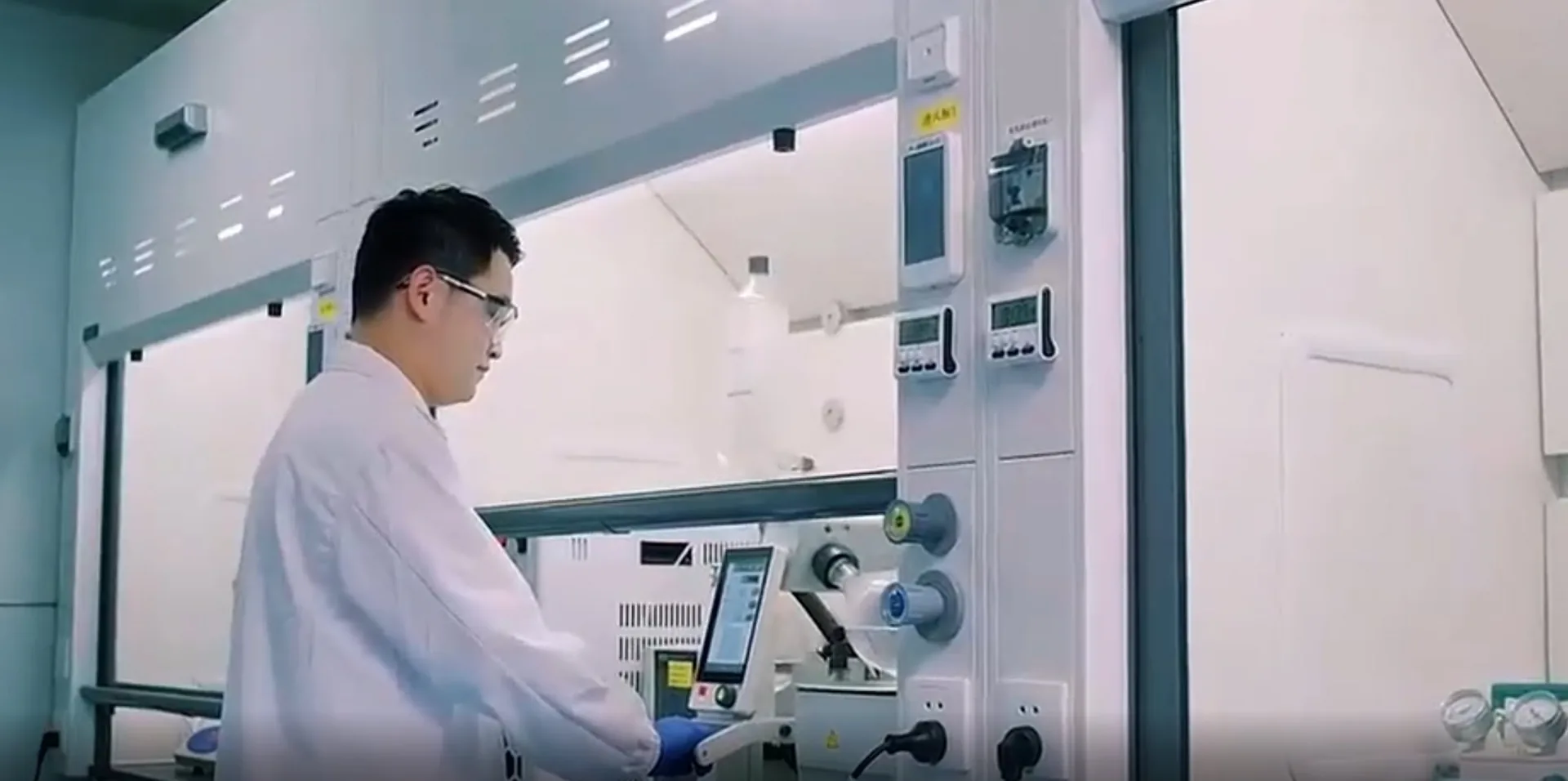
A COA records analytical results for an identified sample or lot. It may be issued by the manufacturer using its own testing records, or it may draw on an external laboratory report. Check who issued the document and who actually performed each test; these are not necessarily the same organisation.
Keep four documents separate in your approval folder:
| Document | Question it answers | What it does not establish by itself |
|---|---|---|
| Product specification | What have buyer and supplier agreed to supply and accept? | The measured results for the current lot. |
| COA or laboratory report | What was tested, and what were the reported results? | Compliance with every requirement in every destination market. |
| Factory certification | What site, activities and scope were assessed under the named scheme? | That a particular shipment received every test your order requires. |
| Shipment and import documents | What accompanies this consignment under the applicable arrangements? | The complete analytical condition of every product in it. |
Agree the acceptance criteria before production. Our pet treat specification sheet guide covers that earlier step. This article focuses on evaluating the evidence you receive against those criteria.
1. Match the report to the lot on the packing list
Start with identity, before looking at protein percentages or microbiological results. Check the supplier SKU, your item code, the full product description, and the lot or batch identifier. For a wrapped chew, “chicken treat” is too broad: the core and approved formulation matter too.
Then connect the identifiers across the documents. The report, packing list and carton or retail-pack codes should refer to the same lot, or be connected through an explicit mapping supplied by the manufacturer. Different internal and customer codes can be legitimate; unexplained differences should be resolved before release.
For an order containing several lots, create one row per lot. Do not assume that a report for one production batch covers another batch simply because the product name and order number are the same. If the supplier uses periodic testing, ask which evidence applies to the shipment and whether that arrangement matches your agreed verification plan.
2. Establish what was sampled, when and by whom
An accurate test result can still answer the wrong question. A development sample, an ingredient sample and a finished retail pack represent different stages of production.
- Product stage: Was the sample an ingredient, an intermediate product, unpacked finished treats or sealed finished packs?
- Selection: Who took the samples, from which lot, and under what agreed sampling plan?
- Timing: How do the sampling, laboratory receipt, testing and report dates relate to manufacture and packing?
- Handling: Were sample condition and transport appropriate for the test?
- Coverage: Was one unit tested, were multiple units tested separately, or was a composite prepared?
A report issued before the finished lot existed may be useful historical evidence, but it is not a test of that finished lot. Similarly, a pre-packing result does not assess events that occur during subsequent packing. Whether additional evidence is needed depends on the product, process, hazards and agreed control plan.
3. Read each result as a complete statement
A meaningful comparison needs the parameter, numerical or qualitative result, unit, reporting basis, test method and acceptance criterion. If one is missing, ask for clarification instead of filling the gap from a previous order.
Units and reporting basis
A protein value expressed on an as-fed basis includes the sample’s moisture. A dry-matter value excludes it. They cannot be compared directly. In an illustrative calculation, not a SAGEIC product specification, a sample containing 45% crude protein and 10% moisture as fed has 50% crude protein on a dry-matter basis: 45 ÷ (100 − 10) × 100. The UK Pet Food explanation of protein comparisons describes this moisture adjustment.
Use measured values from the same sample for this kind of comparison. A label’s declared minimum or maximum is not interchangeable with an actual batch result.
“Not detected” and “less than”
Ask the laboratory what its reporting notation means. “Not detected” does not establish absolute zero. A result below a reporting or quantification limit is also not a measured zero. For a qualitative microbiological result, retain the stated test portion and method; “not detected in the tested portion” should not become “the entire shipment is bacteria-free.”
The CDC explains the limitation of negative food tests: only part of the food can be tested, so a negative result does not prove that contamination was absent. This is why sampling and preventive controls matter alongside the report.
Method changes and borderline results
If two laboratories report different values, check that they tested comparable samples using comparable methods and the same reporting basis. A result close to an acceptance limit deserves a discussion with the laboratory about uncertainty, rounding and the agreed decision rule. Do not invent a tolerance after receiving an inconvenient result. NIST notes that measurement uncertainty relates to the particular result and measurement configuration.
4. Check the test panel against the actual buying requirement
A report listing protein, fat and moisture is not automatically a microbiological report. A microbiological report is not automatically a contaminant screen or a shelf-life study. Start with the selected SKU and destination, then compare the supplied panel with the requirements agreed by the buyer, manufacturer and relevant technical advisers.
For each required parameter, record the limit, method, sampling arrangement, frequency, responsible laboratory and evidence needed before shipment. Identify any test that is periodic rather than batch-specific. Confirm additional testing costs and timing before booking production or transport.
Testing should sit within the wider food-safety system. The FDA’s animal-food preventive-controls overview explains that product testing and environmental monitoring are verification activities whose appropriateness depends on the food, facility and preventive controls. It does not prescribe one universal COA panel for every pet treat.
5. Verify the laboratory and the report’s scope
If accredited testing is part of your requirement, check the laboratory’s current accreditation and relevant scope, not just a logo on the report. Ask whether the particular test and product matrix are within that scope, and whether any results were subcontracted or reported outside it.
ILAC describes accreditation as an independent assessment of competence for specific activities; testing laboratories are assessed against ISO/IEC 17025. A laboratory’s accreditation does not mean that every service it offers is covered.
Keep the complete report, including notes, page numbers and amendments. If authenticity is in doubt, verify the report number through the laboratory’s official contact or verification channel. A cropped screenshot or a page with a missing sample description is a reason to request the original document, not evidence of wrongdoing by itself.
A worked example: one order, two lots
The following scenario is fictional and is not a SAGEIC test report or shipment record. A buyer orders one dried-treat SKU. The packing list shows two lots, A and B, but the received COA identifies only lot A. The results shown for A meet the agreed analytical limits.
| Observation | Interpretation | Next action |
|---|---|---|
| Lot A matches the COA. | The identity link is present for A. | Continue checking sampling, methods, required tests and other release conditions. |
| Lot B appears only on the packing list. | The supplied COA does not establish B’s results. | Request the agreed evidence for B; keep its release decision pending. |
| The supplier says both lots used the same recipe. | A shared recipe does not make them the same production lot. | Ask for the applicable lot records or the documented verification arrangement. |
| A requested test is absent from A’s report. | Passing the listed tests does not resolve a missing requirement. | Clarify whether another report supplies the evidence or further testing is needed. |
The useful outcome is a decision for each lot, with an owner and supporting records. Avoid a single “order approved” note that hides a missing result for part of the consignment.
6. Agree what happens when evidence is missing or a result fails
Separate a documentation gap from a confirmed out-of-specification result. The first may require a corrected identifier or missing report page. The second needs investigation under the applicable quality and food-safety procedures.
Keep the original result and identify the affected stock. Document who investigates, whether other lots could be affected, and who may authorise the final disposition. Any further sampling or testing should follow a justified plan; repeatedly testing until a passing result appears does not explain the original failure.
For routine purchasing, use a release record with these fields:
- Purchase order, SKU and lot number.
- Applicable specification revision and report numbers.
- Reviewer, review date and unresolved questions.
- Decision: pending clarification, on hold, or released by the authorised person.
- Supporting explanation and any required follow-up.
Analytical review is one part of shipment approval. Pack identity, condition, quantity and applicable shipping documents still need their own checks.
Questions buyers often ask
Is a COA the same as an independent laboratory report?
No. A manufacturer can issue a COA based on its own records or external results. Ask who performed the tests and request the supporting laboratory report when your purchasing agreement requires it.
Can last year’s report support this year’s shipment?
It may provide historical information, but it is not a test result for a new lot. Whether periodic evidence is appropriate must be decided in the verification plan, rather than assumed from the report’s availability.
Does a passing COA confirm the full shelf life?
No. It describes the tests performed on the identified sample. A shelf-life claim needs evidence relevant to the product, packaging and storage conditions over time. See our guide to dog treat shelf life for the separate issues to discuss.
Should a buyer specify the same tests for every treat?
Not automatically. Ingredients, process, product format, destination requirements and intended claims can change the evidence needed. Confirm the panel for the selected SKU instead of copying another supplier’s report.
Discuss the evidence for your SAGEIC order
Send us your selected SKU or product description, destination market, pack format and required test panel. We can review the request and confirm the available product-specific documents, any additional testing arrangements, and the associated quotation before the order is agreed.
SAGEIC does not impose a minimum order quantity on the product itself. Custom-printed packaging may have a separate minimum print run and associated costs, confirmed for the chosen pack. A small trial order should still have a clear agreement about the evidence needed for acceptance.
Send your product and testing brief, email sales@sageicpet.com, or contact SAGEIC on WhatsApp.